/*! elementor – v3.13.3 – 28-05-2023 */
.elementor-heading-title{padding:0;margin:0;line-height:1}.elementor-widget-heading .elementor-heading-title[class*=elementor-size-]>a{color:inherit;font-size:inherit;line-height:inherit}.elementor-widget-heading .elementor-heading-title.elementor-size-small{font-size:15px}.elementor-widget-heading .elementor-heading-title.elementor-size-medium{font-size:19px}.elementor-widget-heading .elementor-heading-title.elementor-size-large{font-size:29px}.elementor-widget-heading .elementor-heading-title.elementor-size-xl{font-size:39px}.elementor-widget-heading .elementor-heading-title.elementor-size-xxl{font-size:59px}
Resources
Indigenous
ASL & Indigenous Signs/Storytelling
Nativeland.ca
Land Acknowledgement
Every Child Matters
Photo courtesy of the National Anthropological Archives, Smithsonian Institution.
Educational
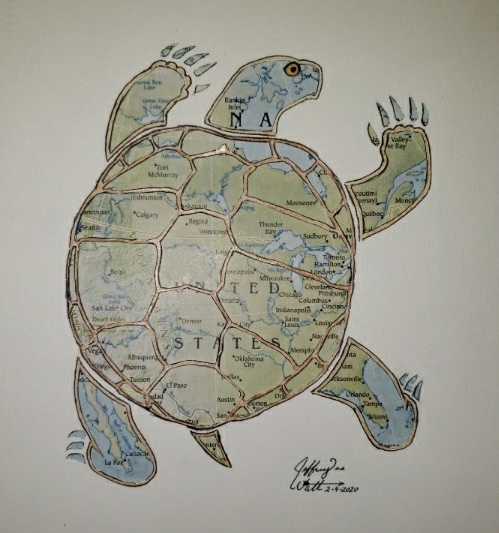
Turtle Island Story
Anishinaabe Story
Haudenosaunee
/*! elementor – v3.13.3 – 28-05-2023 */
.elementor-widget-image{text-align:center}.elementor-widget-image a{display:inline-block}.elementor-widget-image a img[src$=”.svg”]{width:48px}.elementor-widget-image img{vertical-align:middle;display:inline-block}
Interpreting
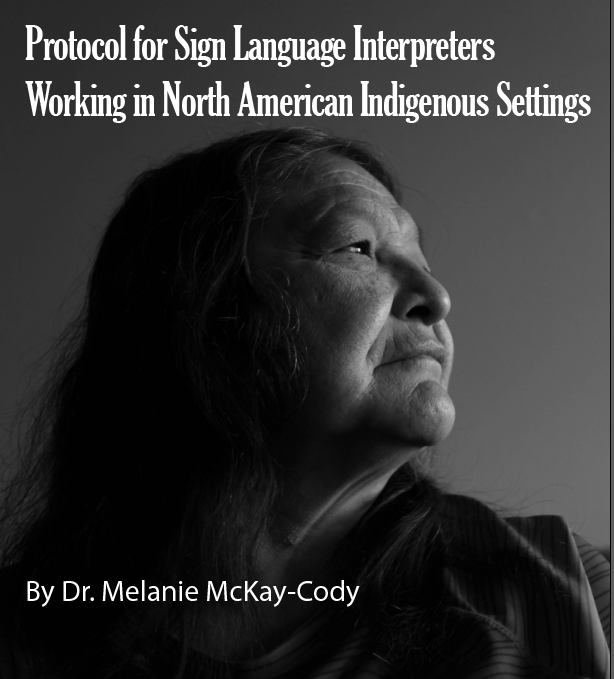
Interpreting Protocol
Registry of Interpreters
 TIHT
TIHT 